Babies and children

Paediatric Physiotherapy & Osteopathy

Outlined below are the specific treatment types and who they are suitable for. If you have any further questions please call our clinic 020 8555 7165

Cranial Osteopathy

Cranial osteopathy is a gentle technique that provides lasting relief from pain by activating the body’s ability to heal itself and bring the body into a state of balance. A safe and effective alternative to joint manipulation, cranial osteopathy is at the gentle end of the osteopathic spectrum.

What can cranial osteopathy treat?

It is recommended by osteopaths that all babies benefit from a routine check-up after birth. Children with a balanced nervous system experience less ear infections, headaches and backaches, better sleep and reach behavioural milestones in the appropriate timeframe.

Some of the conditions Cranial Osteopaths can treat include:

Women's health physiotherapy

Osteopathy for
Mother & Child

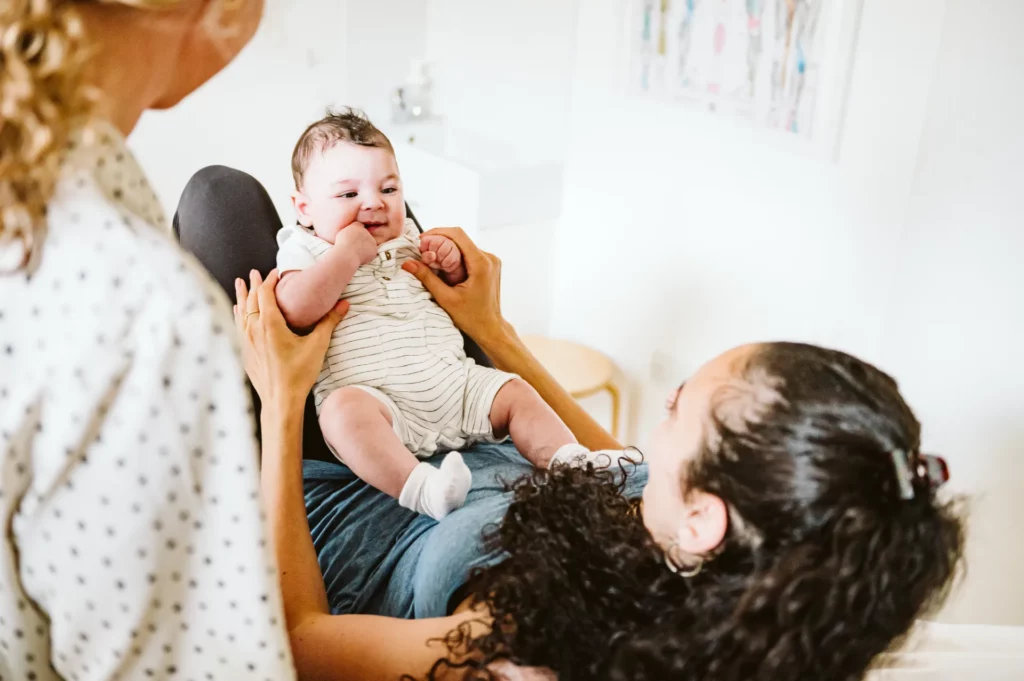
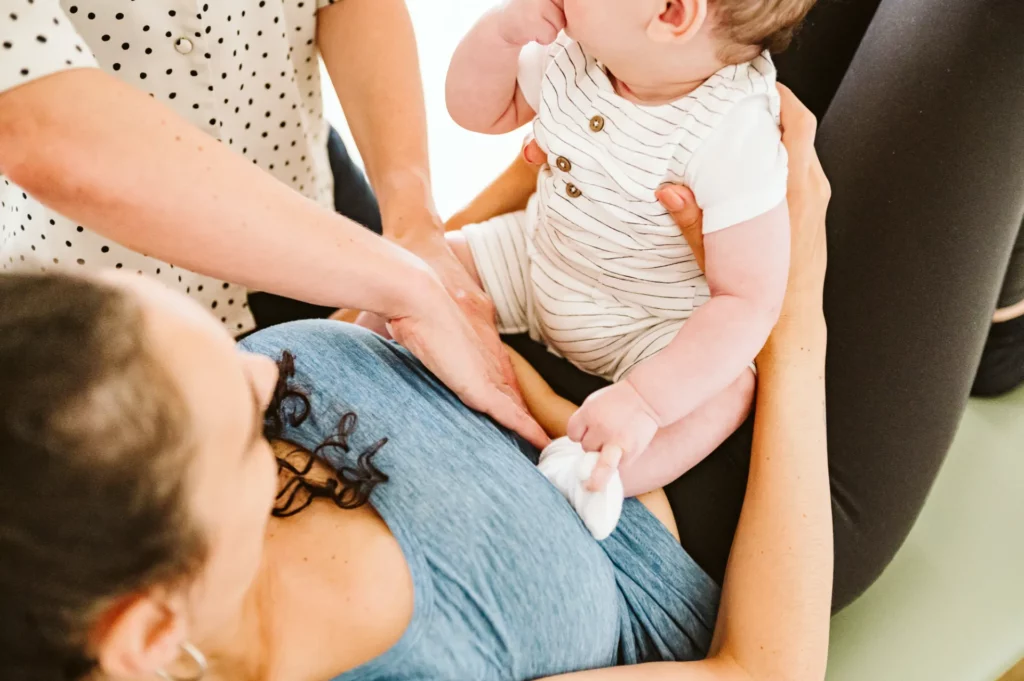
We provide a mother and child osteopathy session in which our skilled paediatric osteopaths work with both mother and baby, providing an important post-natal check for both. Specialist osteopathic techniques for infants and new mums are effective and help to ease the stressors and strains of pregnancy and childbirth. Our Mother & Child Osteopathy sessions are effective in resolving dysfunctions arising from caring for your new baby – such as shoulder aches, lower back pain or wrist soreness. Osteopathic techniques are suitable for babies and children at all stages of life and aim to promote good development and physical wellbeing.
202207 Fix Socials 0713 WEB

Physiotherapy for babies and children

Babies

Baby Check-Up Service: Supporting Early Physical Development

The Baby Check-Up Service offers a supportive and structured approach to monitoring your baby’s development during the crucial first 18 months of life. Appointments are provided at key stages:

Newborn, 3 months, 6 months, 12 months, and 18 months.

Musculoskeletal Physiotherapy for Babies

In addition to developmental check-ups, physiotherapy also supports babies with musculoskeletal conditions. Treatment is gentle, tailored, and evidence-based.

Common conditions treated include:

  • Positional talipes – feet held in an unusual position
  • Torticollis – tight neck muscles causing a head tilt
  • Plagiocephaly – head flattening from positioning
  • Brachial plexus injuries – reduced arm movement after birth

Early intervention can improve movement, reduce discomfort, and support more symmetrical development.

FAQ’s

Each check-up is led by an experienced physiotherapist and includes a brief screening of:

  • Feeding patterns
  • Sleep routines
  • Vision and hearing responses
  • Fine motor development
  • Play and social interaction

The main focus is on gross motor development — how your baby moves, builds strength, develops balance, and progresses through milestones like rolling, sitting, crawling, and walking.

Appointments are designed to:

  • Track gross motor progress
  • Identify movement delays or asymmetries early
  • Support developmental milestones through play
  • Provide reassurance and expert guidance

If any concerns arise outside physical development (e.g. feeding, communication, or sensory processing), families are signposted to the appropriate professionals.

Each family receives a personalised play-based programme to support their baby’s development at home.

This includes:

  • Age-appropriate activities for upcoming milestones
  • Simple exercises to build strength and coordination
  • Play ideas that fit into daily routines
  • Practical guidance to support confident movement

The programme is easy to follow and encourages development through fun, purposeful play.

The first 18 months are key for babies to learn how to move, explore, and interact with their environment. Each stage lays the foundation for future skills like sitting, crawling, walking, and playing.

Check-ups help to:

  • Reassure parents and caregivers
  • Spot early signs of developmental delay
  • Support healthy gross and fine motor development
  • Offer tips for play and positioning at home
  • Assist babies with additional needs (e.g. premature birth, complex delivery)

Yes. One-off appointments are available and can be booked for babies at any age from newborn to 24 months.

Whether you’re looking for reassurance, have specific concerns, or want a developmental check-in outside the typical stages, a one-off session is a helpful option.

Children and Teenagers

Musculoskeletal Physiotherapy for Children

Children and teens may experience musculoskeletal issues due to growth, activity, or injury. Physiotherapy supports recovery and helps maintain healthy movement patterns.

Common concerns treated include:

  • Sports injuries – sprains, strains, or overuse
  • Joint pain – in the knees, hips, ankles, or shoulders
  • Growth-related conditions – such as Osgood-Schlatter’s or Sever’s
  • Hypermobility – helping build strength and joint control
  • Orthopaedic concerns – flat feet, or alignment issues
  • Post-operative rehabilitation – restoring movement and strength after surgery

Treatment is child-friendly, goal-focused, and supports a return to daily activities, play, or sport with confidence.

Pilates & Reformer Pilates for Teens

Physio-led Pilates is a safe and effective way for teenagers to build strength, improve posture, and support healthy movement during growth and development.

Benefits:
 
  • Builds core strength and postural control
  • Improves balance, coordination, and body awareness
  • Helps manage joint pain, and growing bodies
  • Supports injury prevention and recovery
  • Complements sports and physical activity
Reformer Pilates
 

Reformer Pilates uses spring-loaded resistance to support alignment, challenge control, and build strength in a dynamic way. It’s especially useful for teens:

  • Improving posture
  • Managing hypermobility
  • Requiring low-impact strengthening

Sessions are delivered by a physiotherapist and tailored to individual needs — whether for rehab, sports performance, or general wellbeing.